
Wisdom teeth recovery: tips and tricks for a smooth healing process

Chino Hills Oral Surgery, located at 4200 Chino Hills Pkwy Suite 805, has garnered a reputation for its expertise in wisdom teeth extractions, yet the aftermath of the procedure requires diligent care to ensure optimal oral health. Whether you’re focused on wisdom teeth recovery or general healing after tooth extraction, our goal is to equip you with practical advice and post-surgery tips to navigate the process smoothly. A swift recovery doesn’t just ease discomfort; it also helps stave off complications like infections or dry sockets. Let’s delve into the essential steps that promise a seamless healing experience.
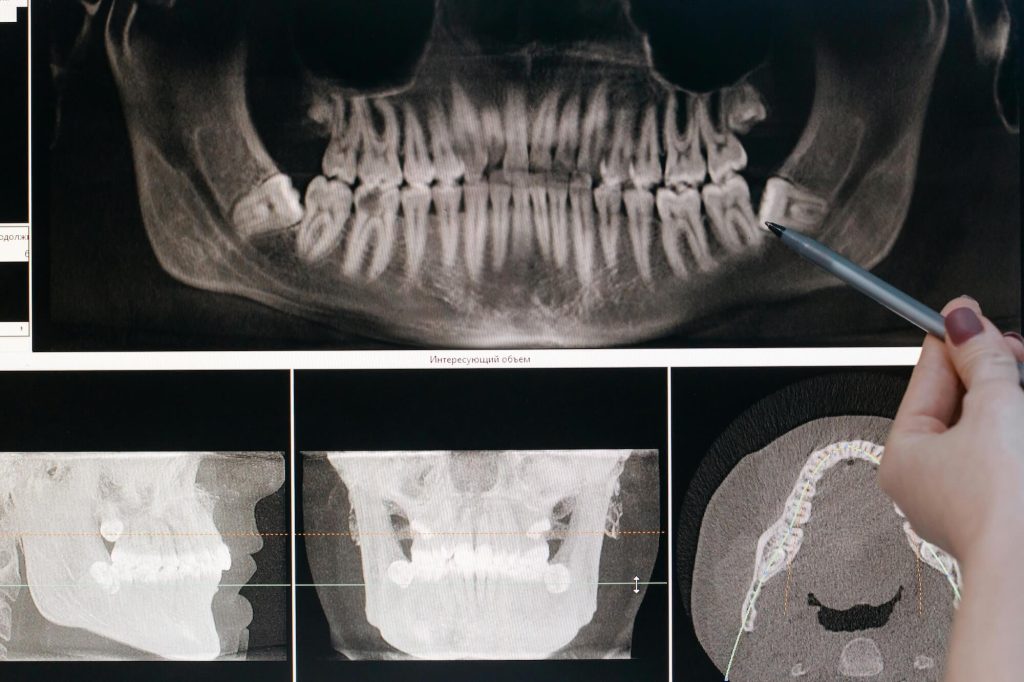
Understanding Wisdom Teeth Extraction

To ensure a smooth dental surgery recovery, it’s important to begin with a clear understanding of the oral surgery preparation and the oral surgery process itself. Wisdom teeth, or third molars, typically emerge in late adolescence, but they often need to be removed to prevent overcrowding, pain, or infection due to impaction. Fortunately, the entire experience is far less daunting than many expect. With today’s advanced Anesthesia and refined surgical techniques, both the procedure and the recovery can be managed with minimal stress.
If anxiety about the procedure still looms, talking it through with your oral surgeon can help. They can walk you through the procedure, explaining steps taken to ensure your comfort. By understanding the process, fears can be eased considerably. To learn more about the experienced oral surgeons at our clinic, we encourage you to meet Dr. Meagan Miller, who has assisted countless patients through Wisdom Teeth Extractions.

Immediate post-surgery care

The initial hours and days after surgery are when extra care makes the biggest difference in your recovery. During the first 24–48 hours, it’s completely normal to experience mild bleeding, swelling, and discomfort. Knowing what to expect—and following the right post-surgery tips—can help you stay calm and feel more in control. Managing your healing starts with keeping gauze pads in place to control bleeding and using ice packs to minimize swelling. As the CDC recommends, applying gentle pressure and keeping your head elevated can also make a big difference.
To support your recovery, set up a cozy rest area at home with plenty of pillows to prop yourself up and easy access to essentials like gauze and cold packs. A little preparation can go a long way in making those early days more comfortable and stress-free.

Pain management strategies

Navigating pain is an important part of recovery, and having a plan in place can make the process much more manageable. Be sure to follow your prescribed medications as directed, and refer to our post-op instructions for detailed guidance on managing discomfort. These steps are essential for supporting healing after tooth extraction and preventing complications.

If you’re interested in alternative approaches, practices like meditation and guided breathing can offer additional support. Research shows these methods can help reduce discomfort, especially in the evening when your body is winding down. Incorporating relaxation techniques into your bedtime routine may lead to more restful sleep and support your healing process.


For more ways we prioritize comfort and safety, explore our full list of oral surgery services.

Diet recommendations for recovery

Adapting your diet is key to a hassle-free recovery. Sticking to a soft food diet protects the surgical site while offering the nutrition you need. Easy-to-eat options like yogurt, applesauce, and smoothies help sustain your energy and health. It’s best to steer clear of spicy or crunchy foods that might disrupt healing.
Get creative with your meal planning: think about preparing nutrient-rich smoothies and exploring other soft food options. Planning a variety of gentle, appealing meals in advance can be both enjoyable and beneficial for your recovery.

Ensuring oral hygiene

Maintaining oral hygiene after surgery is a balancing act between caution and care. While it’s essential to keep your mouth clean, it’s equally important not to disturb the healing site. Gently rinsing with salt water can cleanse the mouth and minimize infection risk. Avoiding actions like using straws, which can dislodge the protective blood clot, helps prevent dry socket.
Consider setting reminders to rinse with salt water throughout the day, and ease back into your usual brushing and flossing routine with care, following your oral surgeon guidance.

Recognizing and addressing complications

Awareness of potential complications can lead to a smoother recovery. Staying alert to unusual symptoms, such as severe pain, ongoing bleeding, or signs of infection, can help catch problems early. If you notice anything concerning, contact your oral surgeon’s office right away so they can address it before it becomes more serious.
Maintaining a small recovery journal to track symptoms, pain levels, or specific concerns can be extremely handy. This documentation can provide valuable insights to your oral surgeon, enhancing the quality of your follow-up care.
Ultimately, the road to successful recovery from wisdom teeth extraction involves understanding the procedure, remaining diligent with post-operative care, and being proactive in pain management and dietary adjustments. By blending these practices with attentive hygiene and awareness of potential complications, you set yourself up for a smooth healing journey. If you’re feeling uncertain or have questions during your recovery, don’t hesitate to reach out to your care provider. Whether you’re seeking clarification or reassurance, they are there to support you. To speak with our team directly, feel free to contact our clinic.

Schedule an appointment with Chino Hills Oral Surgery

For consultations or follow-up appointments, please schedule in advance and visit the practice at 4200 Chino Hills Pkwy Suite 805, located just a 10-minute drive from the scenic Chino Hills State Park. They’re there to offer personalized care and answer any questions you may have as you recover.

Works Cited

  • Centers for Disease Control and Prevention. (2022). Oral surgical procedures—FAQs. https://www.cdc.gov/dental-infection-control/hcp/dental-ipc-faqs/oral-surgical-procedures.html
  • Healthline. (2019). What to eat after Wisdom Teeth Removal. https://www.healthline.com/nutrition/what-to-eat-after-wisdom-teeth-removal
  • Healthline. (2021). Wisdom teeth removal recovery: Timeline and tips. https://www.healthline.com/health/wisdom-teeth-recovery
  • Medical News Today. (2019). How long does it take to recover from wisdom teeth removal? https://www.medicalnewstoday.com/articles/321657
  • National Center for Biotechnology Information. (2021). Postoperative care. In StatPearls. https://www.ncbi.nlm.nih.gov/books/NBK578297/
  • National Institutes of Health. (2000). Report of the National Reading Panel: Teaching children to read. https://www.nichd.nih.gov/sites/default/files/publications/pubs/nrp/Documents/report.pdf
  • PubMed Central. (2021). A comparison of techniques and outcomes in wisdom tooth extraction. https://pmc.ncbi.nlm.nih.gov/articles/PMC8486420/
  • Unitek College. (2022). Step-by-step guide to preparing patients for surgery. https://www.unitekcollege.edu/blog/step-by-step-guide-to-preparing-patients-for-surgery/
  • Dover Family Dentistry. (2021). Step-by-step guide to preparing for oral surgery. https://doverfamilydentistry.org/step-by-step-guide-to-preparing-for-oral-surgery/