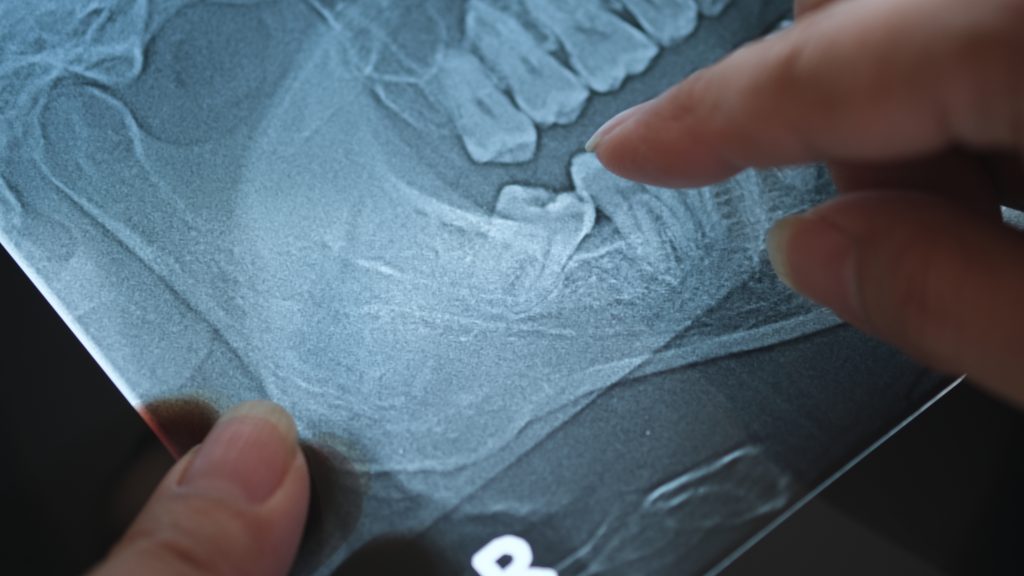
Understanding Wisdom Teeth Removal: essential information for patients

For many, the prospect of having their wisdom teeth removed stirs feelings of anxiety and curiosity. Yet, having a clear understanding of this common procedure is essential for anyone making decisions about their oral health. Our goal is to guide you through the ins and outs of Wisdom Teeth Removal, covering everything from indications that oral surgery is necessary, the procedure itself, to the recovery process. Equipped with this knowledge, you’re more likely to feel at ease and confident about moving forward.

What are wisdom teeth?

Wisdom teeth are your third set of molars, tucked away at the very back of your mouth. Typically, they make an appearance during late adolescence or early adulthood. Unlike other teeth, wisdom teeth are relics from our evolutionary past and don’t serve a specific function in modern humans. Most of us don’t need them for effective chewing or grinding, and often, our jaws simply aren’t roomy enough for these extra tenants. This lack of space can result in complications that make removal advisable (Kao et al., 2022).

Why is wisdom teeth removal necessary?

Knowing when to seek oral surgery is crucial, especially when it comes to Wisdom Teeth Removal. Impacted wisdom teeth—those that fail to fully emerge through the gums—can lead to serious complications such as cysts, tooth decay, or gum disease if left unaddressed (Kao et al., 2022). Signs like swelling, discomfort, or recurring infections are common indicators that it may be time to consider surgical intervention.
If you’re already experiencing oral health symptoms or discomfort, it may be time to explore oral surgery services that address wisdom teeth complications early.

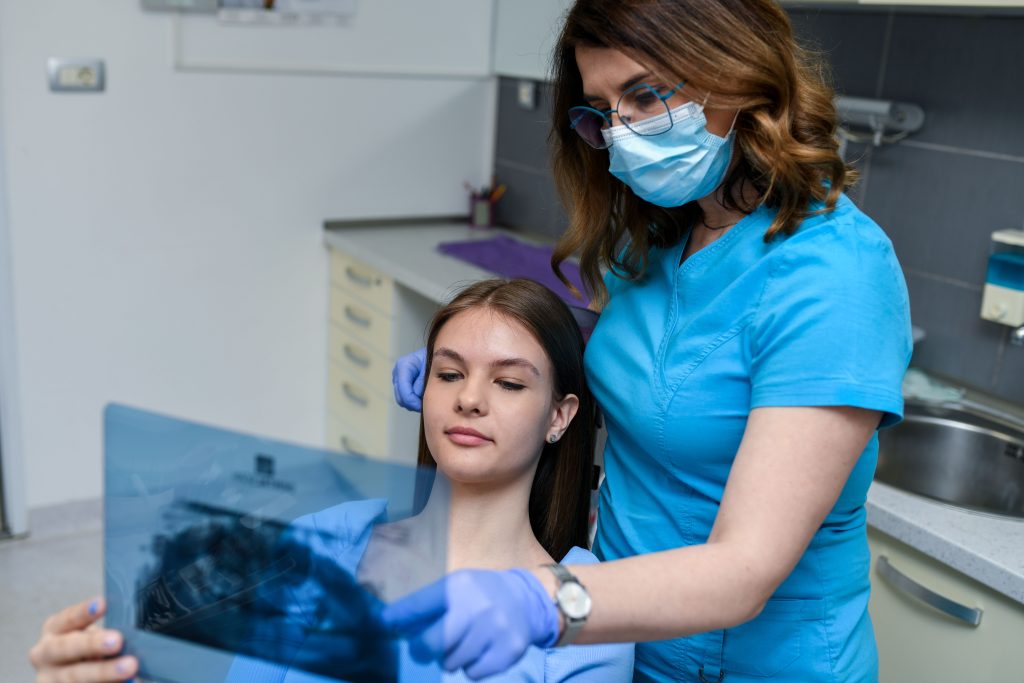
The Wisdom Teeth Removal procedure

Addressing potential issues early can prevent a lot of pain down the road. Wisdom Teeth Extraction is a surgical procedure carefully designed to alleviate these problems. It usually begins with an initial consultation where you’ll discuss the best approach with your oral surgeon. They’ll help you decide on the most comfortable Anesthesia option for you—whether that’s Local Anesthesia, Sedation, or General Anesthesia (University of Michigan, n.d.). The actual surgery, often completed in about an hour, is typically handled by experienced oral surgeons who strive to ensure minimal discomfort.

Recovery and aftercare

Rest assured, recovery from Wisdom Teeth Removal won’t last forever. After the surgery, you’ll need a few days to a week to rest and recuperate fully. Pain and swelling can be managed with prescribed medications and perhaps an ice pack or two. You’ll want to stick to soft foods for a while and strictly follow the advice your oral surgeon gives you (University of Michigan, n.d.). A gentle rinse with warm salt water can soothe your mouth, but vigorous activity is off-limits for a bit. Stay alert for any excessive bleeding, severe pain, or fever—these need immediate attention from your oral surgeon.

Insights from your local dental professionals

Relying on skilled professionals in your area helps make the process feel more personalized. With extensive experience in local Wisdom Teeth Extraction, practices near Chino Hills have cultivated trust and satisfaction among patients. Utilizing their expertise allows for tailored advice, fitting your unique needs and concerns.
Learn more about Dr. Prabh Grewal and how personalized care from trusted providers can benefit your surgical outcome.

FAQs about Wisdom Teeth Removal

It’s normal to have questions, even after researching your procedure. Many patients worry about the safety of Anesthesia, potential risks of the surgery, and the long-term impact on oral health. Having reliable answers from experienced professionals can ease these worries, fostering confidence as you approach your surgery day.
For more common concerns and professional advice, visit our FAQs section.

Call Chino Hills Oral Surgery

If you’re thinking about Wisdom Teeth Extraction, don’t hesitate to contact a qualified oral surgeon in your area for a consultation. They’re ready and waiting to provide the information and care you require. Our dedicated team in Chino Hills Oral Surgery offers compassionate and professional service, making it easier to approach this procedure with confidence. For those nearby, you’ll find peace of mind knowing expert care is just a short drive away.
Ready to take the next step? Contact our team today to schedule your wisdom teeth consultation.

References

  • Kao, L., et al. (2022). Estimated Cumulative Incidence of Wisdom Tooth Extractions in Young Adults. Frontiers in Dental Medicine, 10, 937165. doi:10.3389/fdmed.2022.937165
  • University of Michigan. (n.d.). Tooth Extraction Post-Operative Instructions. Michigan Medicine. Retrieved from https://www.med.umich.edu/1libr/Surgery/OralSurgery/ToothExtraction-postop-OMFS.pdf
  • National Center for Biotechnology Information. (n.d.). Oral Health Workforce, Education, Practice and Integration. NCBI Book. Retrieved from https://www.ncbi.nlm.nih.gov/books/NBK578298/

Works Cited

  • National Center for Biotechnology Information. (2021). Oral health workforce, education, practice, and integration. NCBI. https://www.ncbi.nlm.nih.gov/books/NBK578298/
  • Unitek College. (2022, March 11). Step-by-step guide to preparing patients for surgery. https://www.unitekcollege.edu/blog/step-by-step-guide-to-preparing-patients-for-surgery/
  • Skytale Group. (2023, November 7). 2025 dental industry trends to watch. https://skytalegroup.com/blog/2025-dental-industry-trends-to-watch/
  • Wang, A. B., Nguyen, V. T., & Le, X. H. (2021). Management of wisdom teeth extractions and postoperative outcomes. Journal of Dental Research and Review, 8(3), 142–150. https://doi.org/10.4103/jdrr.jdrr_37_21