

Dental Implants vs. dentures: which is the right choice for you?

Overview

Choosing between Dental Implants and dentures is a significant decision that can influence your oral health and quality of life. While both solutions effectively address missing teeth, they differ in procedure, cost, and upkeep. A thorough implant comparison can help you explore the advantages and disadvantages of each option so you can make a well-informed decision that aligns with your lifestyle and health needs. Residents of Chino Hills, CA, can access knowledgeable guidance from local oral surgery specialists. Let’s dive deeper into your options and find out which best fits your dental health journey.
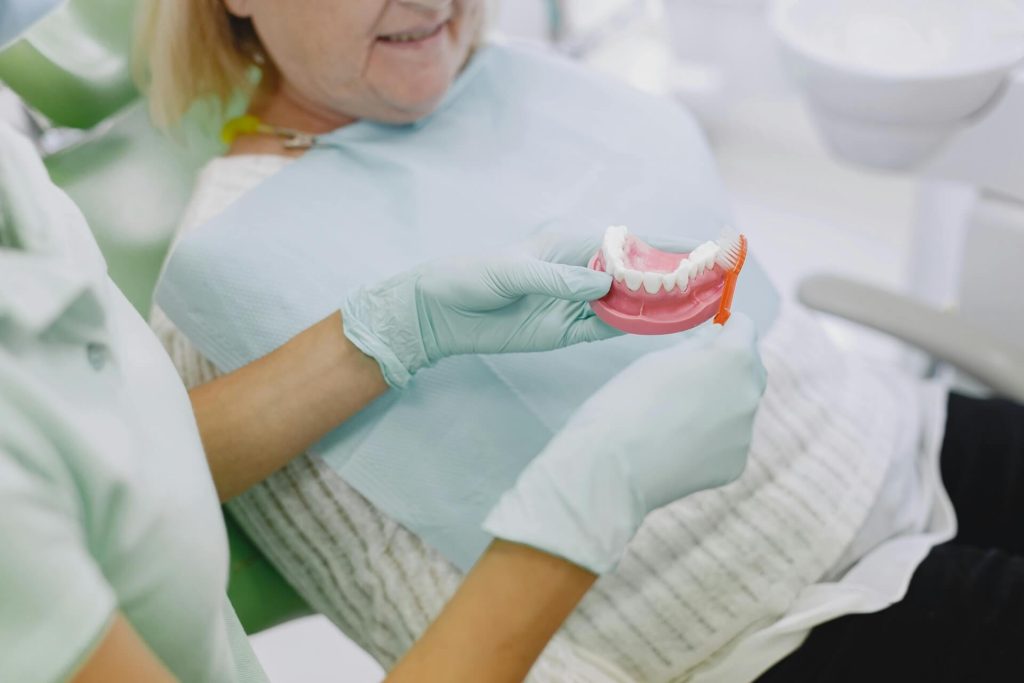
Understanding dental implants

Dental implants offer an advanced tooth replacement solution. They involve surgically inserting a titanium screw into the jawbone to support a dental crown (Mericske-Stern & Zarb, 1996). After the screw is placed, the bone integrates around it in a process called osseointegration before a natural-looking crown is attached. Known for their durability, functionality, and resemblance to natural teeth, implants provide a long-lasting solution (University of Michigan, n.d.). But there are criteria; candidates need sufficient bone density and good overall health to ensure successful outcomes (Virginia Commonwealth University, n.d.).
Remember, if you’re considering dental implants, assessing whether you meet the health criteria is crucial. Consulting a professional can provide personalized assessments and recommendations based on your specific health profile. Learn more about the dental services we provide for implant candidates.

Exploring dentures

Dentures are removable appliances designed to replace multiple teeth. Available as complete dentures for a full arch or partial dentures for specific gaps, they present a more immediate and affordable solution compared to implants (Gotfredsen, Werner, & Schou, 2001). Dentures can be great for individuals who might face surgical challenges due to health conditions. However, they require periodic adjustments as your mouth’s shape changes over time (University of Michigan, n.d.).

When choosing dental solutions, especially dentures, consider your long-term plans and how future adjustments might integrate into your lifestyle. Speaking with specialists can ensure your choice aligns with both your health and daily activities. To prepare for your initial visit, you can access essential patient forms here.

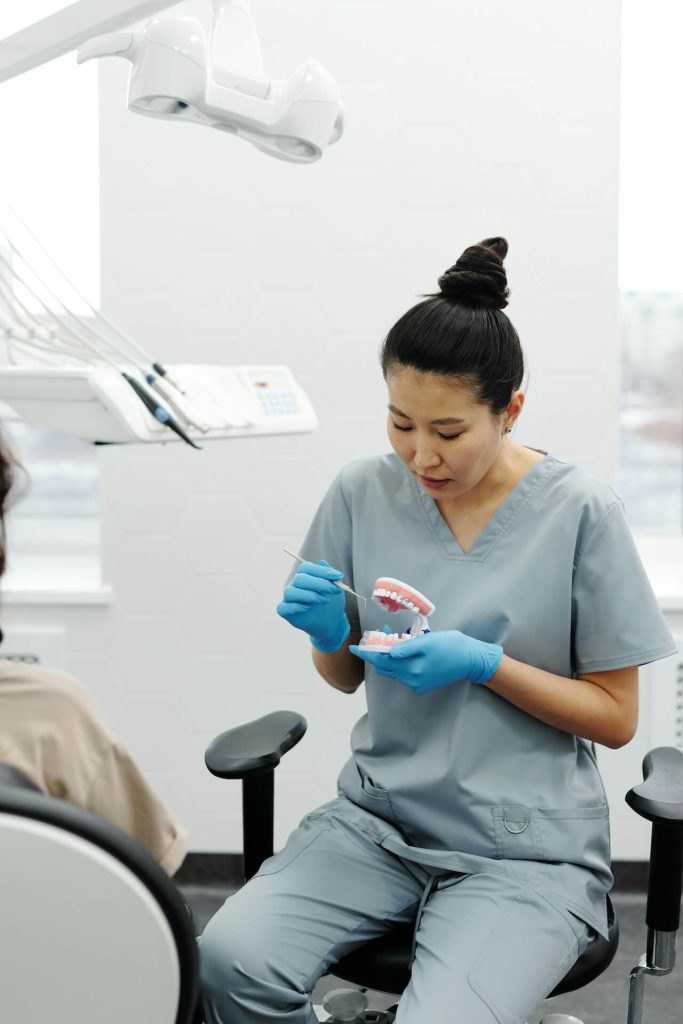
Comparison: Dental Implants vs. dentures

Longevity and maintenance

Dental Implants boast remarkable longevity, often lasting a lifetime with diligent care. On the other hand, dentures typically need replacing every 5–7 years (Mericske-Stern & Zarb, 1996), and they incur ongoing maintenance. Implants, post-healing, only require standard oral hygiene practices.

Comfort and convenience

Implants offer an experience most similar to natural teeth with no dietary restrictions. Dentures, conversely, may slip during meals or speech, leading to potential discomfort (Gotfredsen, Werner, & Schou, 2001). If convenience and functionality matter, implants could meet your expectations better.

Aesthetics and appearance

Natural-looking dental implants often make them a favorite over dentures, which may need an adjustment period and might not mirror natural teeth contours perfectly (University of Michigan, n.d.). Considering the cosmetic aspects of each option should play a significant role in your decision-making process.

Impact on oral health

Dental Implants support bone density and help prevent bone resorption, offering additional structural support (Mericske-Stern & Zarb, 1996). Dentures, however, don’t provide the same level of bone support, which could influence long-term oral health.

Cost considerations

While Dental Implants carry a higher upfront cost, their long-term durability can make them more cost-effective. Conversely, dentures involve ongoing expenses for maintenance and regular replacements (Virginia Commonwealth University, n.d.).

Lifestyle and personal factors to consider

Lifestyle needs

Active individuals or those seeking a lasting solution often lean towards dental implants (Gotfredsen, Werner, & Schou, 2001). Think about how your daily activities might affect your choice, especially concerning physical activity and diet.

Health status and age

Health conditions and age are critical when considering surgery and recovery times. For some, dentures could be a more feasible option, providing flexibility without the need for surgical intervention (University of Michigan, n.d.).

Psychological factors

Personal considerations such as self-esteem, and a preference for tooth functionality or permanence, should not be overlooked (Virginia Commonwealth University, n.d.). Reflect on these elements to ensure your decision boosts your confidence and sense of self.

Delving deeper: overlooked considerations

  • Speech Impact: Implants mimic natural teeth, minimizing potential speech changes. New denture users might initially face speech difficulties, needing an adjustment period.
  • Food Preferences: If you’re passionate about cooking or trying new cuisines, think about how important it is to eat diversely without restrictions. Implants could offer the variety you crave.
  • Allergy Concerns: While rare, some may have allergies to denture materials. Discuss any known allergies with a healthcare provider to ensure all materials are safe.

Considering professional care and expertise

Opting for care from a practiced team comes with advantages beyond just treatment. You’ll find an environment focused on exceptional expertise and personalized attention. Their state-of-the-art facilities and experienced staff prioritize crafting treatment plans that align with your unique needs.
We invite you to contact our office for a consultation. Our oral surgeons, Dr. Meagan Miller or Dr. Prabh Grewal, will help evaluate which treatment best suits your goals. This first step could be the beginning of a renewed sense of confidence and health.
Navigating through the decision between Dental Implants and dentures can feel daunting, but you’re not alone. At the heart of it, this decision is about much more than just function. It’s about ensuring your oral health journey matches your vision for a bright future. Take the step today towards a fulfilling, confidence-boosting new chapter in your life. With professional guidance, you can embrace your tooth replacement journey with assurance, peace of mind, and the promise of lasting satisfaction.

Works Cited

  • Gotfredsen, K., Werner, H., & Schou, S. (2001). A two-center clinical trial of implant-retained mandibular overdentures versus conventional complete dentures. Clinical Oral Implants Research, 12(3), 254–263.
  • Mericske-Stern, R., & Zarb, G. A. (1996). In vivo assessment of maxillary implant-supported prostheses. Part II: Factors affecting reliability. Journal of Prosthetic Dentistry, 75(3), 239–247.
  • University of Michigan. (n.d.). Tooth Extraction Post-Operative Instructions. Michigan Medicine. https://www.med.umich.edu/1libr/Surgery/OralSurgery/ToothExtraction-postop-OMFS.pdf
  • Virginia Commonwealth University School of Dentistry. (n.d.). Pre and Post-Operative Instructions. VCU School of Dentistry. https://dentistry.vcu.edu/patients/services/oral-and-facial-surgery/pre-and-post-operative-instructions/