

Effective TMJ pain management tips for Chino Hills residents

Overview

Temporomandibular joint disorder (TMJ) can significantly disrupt daily life, causing discomfort in the jaw joint and surrounding muscles. For residents of Chino Hills, effective management of TMJ symptoms is crucial for improving quality of life. At Chino Hills Oral Surgery, located at 4200 Chino Hills Pkwy Suite 805, Chino Hills, CA 91709, patients can receive expert care tailored to their needs. In this article, our goal is to provide practical coping tips for those living with TMJ, highlighting professional advice and self-care strategies. Understanding and managing TMJ is essential for maintaining oral health and overall well-being. Continue reading to explore effective ways to manage TMJ pain.
Understanding TMJ

Temporomandibular joint disorder, or TMJ, involves dysfunction of the jaw joint, resulting in pain, clicking sounds, and difficulty chewing. Common symptoms include jaw pain, headaches, earaches, and even shoulder pain. A study by Wolfe highlights that TMJ sufferers often take direct actions to alleviate pain, underlining the significant impact this condition has on daily life (Kolehmainen & Ow, 2018). Recognizing early signs and pursuing timely management can prevent long-term complications and improve quality of life.
Imagine waking up to find your jaw unexpectedly stiff and painful. Initially, you may dismiss it, hoping it resolves on its own. However, understanding the potential long-term consequences of untreated TMJ underscores the importance of proactive management to prevent further deterioration and enhance daily functioning.

Diagnosis and professional support

Effective management of TMJ begins with obtaining a precise diagnosis. Chino Hills Oral Surgery provides expert consultations and offers a range of treatment options tailored to individual needs. Madani and Mirmotazavi note various therapeutic possibilities for TMJ sufferers, emphasizing conservative treatments as a first step (2011). Scheduling an appointment at Chino Hills Oral Surgery can initiate a journey toward relief. If constant discomfort when chewing or talking persists, a professional consultation can guide you to the most appropriate interventions. Personalized advice accelerates relief and offers peace of mind during your treatment journey.

Exploring treatment options

Management of TMJ often starts with conservative treatments, although not all approaches suit everyone. Surgical interventions may become necessary for persistent or severe cases. Careful discussion of benefits and risks with a healthcare professional ensures informed decision-making based on individual circumstances. To better understand the options, review our insights on TMJ best management practices.

Lifestyle changes for TMJ relief

Diet modifications

A crucial aspect of alleviating TMJ symptoms involves altering dietary habits. Soft foods, such as mashed potatoes, yogurt, and smoothies, help minimize jaw strain (University of Michigan, n.d.). Conversely, avoiding gum, tough meats, and chewy breads can reduce the risk of exacerbating TMJ symptoms.

Softer food textures minimize jaw overexertion, enhancing comfort. For instance, savoring meals with soups or pasta dishes can be both satisfying and gentle on your jaw, ensuring adequate nutrition without unnecessary strain. Learn more about food considerations post oral procedures in our article on ideal foods after wisdom teeth surgery.

Stress management

Managing stress is essential, as it can aggravate TMJ symptoms. Techniques such as meditation, yoga, and deep breathing exercises offer benefits (Kolehmainen & Ow, 2018). If stress becomes overwhelming, seeking professional guidance is advisable.
Stress can naturally cause your body to tense up, exacerbating TMJ symptoms. Regularly incorporating relaxation techniques into your routine, such as starting each day with a short meditation session, can significantly decrease discomfort over time. Having facial tension? Explore how facial fillers may help enhance comfort and appearance.

Exercise and physical therapy

Gentle jaw exercises improve mobility and reduce stiffness. Physical therapy specifically tailored for TMJ patients addresses persistent pain and movement-related anxiety (Kolehmainen & Ow, 2018). Incorporating regular, gentle exercise into your schedule effectively manages TMJ symptoms.
A routine might include simple stretching exercises for your neck and shoulders, coordinated with breathing exercises. Practicing these movements regularly fosters better circulation and muscle relaxation, contributing to symptom relief.

Sleep and rest

Achieving quality sleep is vital for healing and repairing strained muscles linked to TMJ. Establishing a sleep-conducive environment, featuring a supportive mattress and pillows, minimizes strain on your jaw and neck. For more on sleep-related oral concerns, learn how obstructive sleep apnea is treated.
Opting for sleeping positions that avoid jaw tension helps. Lying on your back with supportive pillows can alleviate jaw pressure, enabling you to wake up refreshed and with less soreness.

Home remedies and self-care

Cold and heat therapy

Cold packs can reduce TMJ-related swelling, while heated pads alleviate pain. Adhering to application guidelines maximizes benefits (National Institutes of Health, 2003).
Alternating between cold and heat therapy allows you to identify the approach that best reduces discomfort, creating a customizable strategy to manage TMJ symptoms.

Proper sleep habits

Sleeping positions can significantly influence TMJ symptoms. Sleeping on your back with supportive pillows maintains proper neck and head alignment (Virginia Commonwealth University, n.d.).
Mindful sleeping posture can significantly reduce morning stiffness and pain. Evaluating your mattress and pillows to ensure they offer necessary support is beneficial.

Posture improvement

Maintaining good posture minimizes TMJ pain. Ergonomic adjustments to your workspace and daily routines are crucial for reducing strain (Kolehmainen & Ow, 2018).
When sitting at a desk, ensuring your back is supported and your feet are flat on the floor can alleviate jaw discomfort. Simple posture adjustments can yield significant improvements over time. Many also see improvement with overall oral rehabilitation through dental implants that improve oral alignment and support.

Additional self-care techniques

Integrating self-massage techniques for your jaw and surrounding muscles can further reduce tension. Regular small breaks to practice such techniques complement your overall TMJ management plan.

Products and tools for TMJ relief

Splints and Occlusal Guards

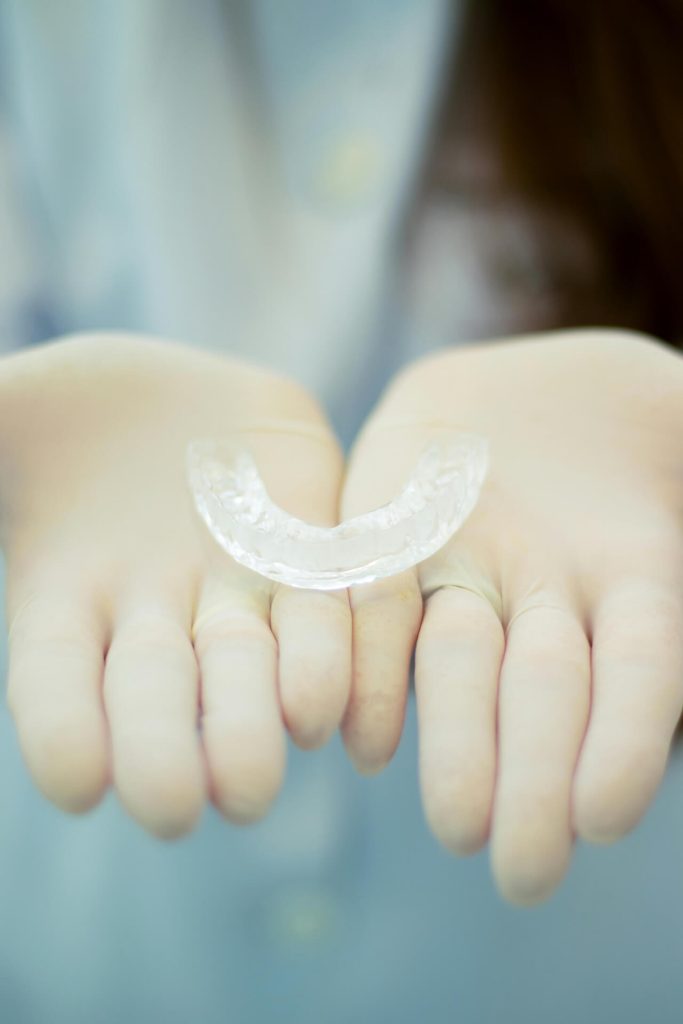
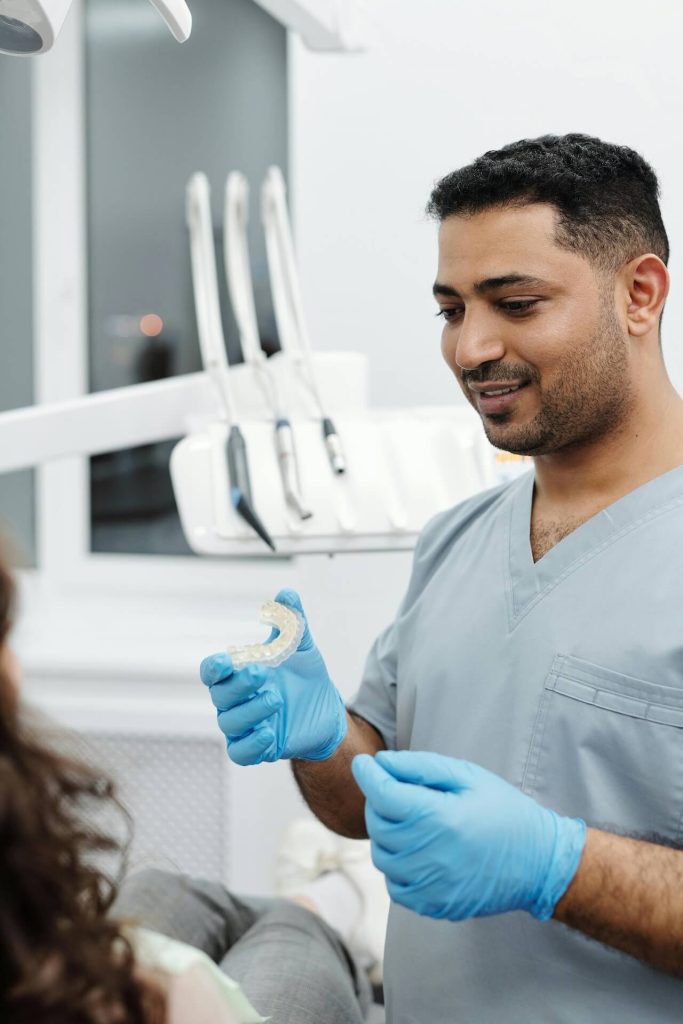
Custom-made dental splints and occlusal guards provide relief by reducing teeth grinding (Madani & Mirmotazavi, 2011). Consulting with a dental professional ensures an effective solution.
Envision waking up without jaw pain for the first time in weeks. Investing in a custom-made guard protects your teeth and jaw, offering peace during the night and improved function during the day.

Over-the-Counter Relief

Over-the-counter pain relievers and topical treatments can provide temporary relief. Consultation with a healthcare provider is important before beginning any medication regimen (Kolehmainen & Ow, 2018).
While these remedies offer temporary respite, they’re best employed as part of broader, long-term strategies. A personalized medication plan can offer interim support alongside lifestyle adjustments.

Expert care from your very first visit

To effectively manage TMJ, adopting a multifaceted approach encompassing dietary changes, stress management, and professional support is essential. Chino Hills Oral Surgery offers comprehensive care to facilitate a personalized treatment plan. To reach out for a consultation, visit their office at 4200 Chino Hills Pkwy Suite 805, Chino Hills, CA 91709.
Engage with Chino Hills Oral Surgery for more information or to schedule a consultation. Conveniently located near The Shoppes at Chino Hills, the clinic offers easy access for residents across San Bernardino County. With ample parking and a patient-centered atmosphere, it’s never been easier to start your journey toward TMJ relief.
Managing TMJ pain is not a one-size-fits-all process—it requires a holistic, personalized approach. By combining professional support from trusted specialists like those at Chino Hills Oral Surgery with consistent self-care habits, many patients experience lasting relief and an improved quality of life. Whether you’re just beginning your journey with TMJ or have been managing symptoms for years, it’s never too late to explore new strategies for relief.
Don’t let TMJ continue to affect your daily routine. Reach out to the compassionate team at Chino Hills Oral Surgery to learn more about your treatment options. Relief may be closer than you think.